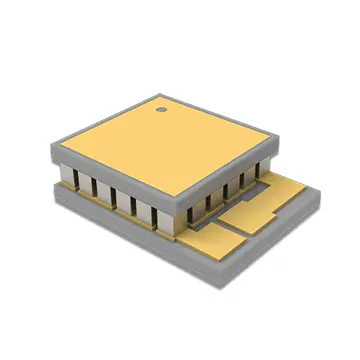
Installing a temperature controller correctly is crucial for achieving reliable and stable performance in industrial processes. Our factory emphasizes precision in both wiring and sensor placement to avoid fluctuations. At Fuzhou X-Meritan Technology Co., Ltd., we often guide our customers on selecting the appropriate controller based on input type, voltage range, and output configuration. Proper installation ensures that the device responds accurately to temperature changes and prevents unnecessary system downtime.
Key factors include matching the Temperature Controller to your heating or cooling system, verifying sensor compatibility, and ensuring stable electrical connections. In our experience, many performance issues arise from improper sensor placement or inconsistent power supply. Our team works closely with clients to address these concerns and optimize system efficiency.
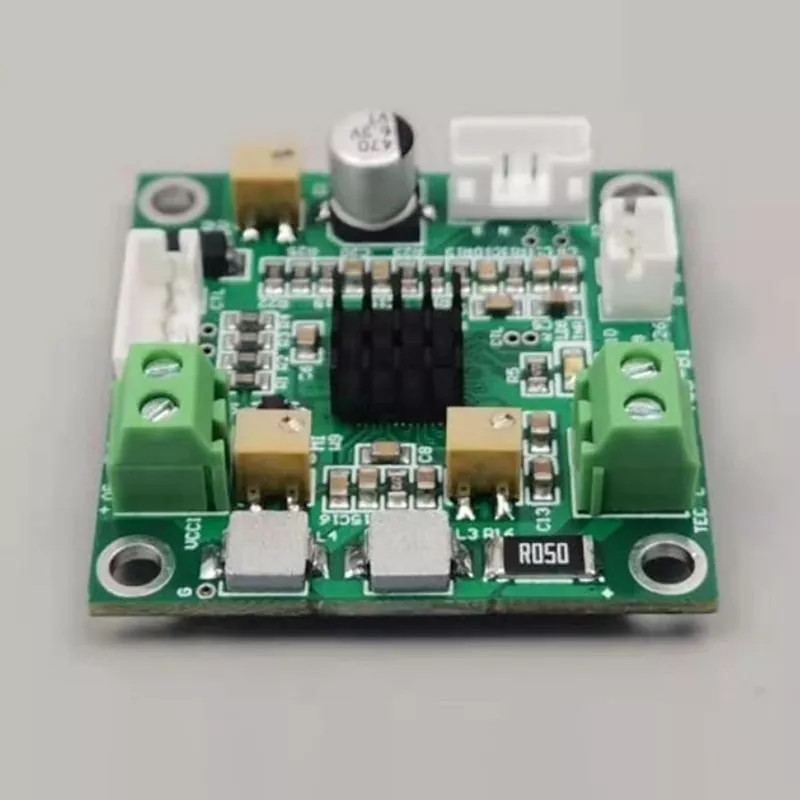
Choosing the right type of Temperature Controller affects both system stability and product quality. There are digital, analog, and hybrid models available. Digital controllers offer precise readings and programmable setpoints, while analog controllers are valued for simplicity and robustness in industrial settings. Our factory regularly recommends models that balance accuracy, response time, and operational durability for specific applications.
Fuzhou X-Meritan Technology Co., Ltd. provides detailed specifications for each Temperature Controller, including input type, output type, voltage rating, and environmental tolerance. Our engineers help clients match controllers with their process requirements, whether for ovens, chillers, extrusion lines, or laboratory equipment.
| Controller Type | Input Type | Output Type | Typical Use Case |
| Digital | Thermocouple, RTD | Relay, SSR | Precision temperature control in manufacturing |
| Analog | Thermistor | Relay, Triac | Simple heating or cooling systems |
| Hybrid | Thermocouple, Thermistor | Relay, SSR | Industrial equipment requiring both accuracy and durability |
Sensor placement is one of the most critical factors in achieving accurate temperature control. Improper positioning can lead to delayed readings or inconsistent regulation. Our factory guides clients to place sensors away from direct heat sources, air drafts, or vibration-prone areas. Correct sensor installation ensures the Temperature Controller measures the true process temperature rather than localized variations.
We have observed that using shielded wiring and securing sensors firmly minimizes signal interference. Fuzhou X-Meritan Technology Co., Ltd. also provides installation kits and technical support to simplify proper sensor placement. By following these best practices, our clients maintain consistent product quality and minimize maintenance interruptions.
Reliable electrical installation is essential for stable Temperature Controller operation. Voltage compatibility, grounding, and cable routing all affect performance. In our experience, incorrect wiring or unprotected power supply often leads to controller errors or premature failure. Our engineers provide wiring diagrams and specify suitable cable types for each controller model.
It is also important to avoid running sensor cables parallel to high-power lines, which can induce noise and affect readings. Using dedicated circuits, protective fuses, and surge suppressors helps maintain the long-term stability of the system. Our factory ensures that each Temperature Controller meets standard certifications and electrical safety requirements before leaving the production line.
Regular maintenance prolongs the service life of Temperature Controllers and prevents unexpected failures. We recommend inspecting wiring connections, verifying sensor calibration, and cleaning protective housings periodically. Our factory trains technicians to recognize early signs of wear or drift. Implementing scheduled maintenance ensures that the system maintains accuracy over long-term operation.
In our experience, proper documentation of calibration and operational checks allows users to anticipate potential issues and make adjustments before they affect production. Our team provides maintenance guidelines specific to each Temperature Controller model to ensure optimal performance.
Q1: How can I ensure my Temperature Controller provides accurate readings?
Accuracy depends on proper sensor placement, stable electrical connections, and selecting a controller suitable for your system. Following manufacturer guidelines and using shielded cables reduces interference and ensures reliable readings.
Q2: What are the risks of incorrect wiring during installation?
Incorrect wiring can lead to signal errors, controller failure, or unsafe operating conditions. Using correct voltage, proper grounding, and avoiding parallel routing with high-power lines minimizes these risks and extends the controller's service life.
Q3: How often should calibration and maintenance be performed?
Regular checks at defined intervals, typically every six to twelve months depending on usage, help maintain accuracy. Our factory provides calibration schedules and procedures to ensure the controller remains reliable and consistent over time.
Installing a Temperature Controller correctly involves careful selection, proper sensor placement, correct electrical setup, and ongoing maintenance. Following these steps ensures stable operation, accurate control, and extended service life. Our team at Fuzhou X-Meritan Technology Co., Ltd. is dedicated to providing high-quality Temperature Controller solutions and expert technical support. If you are planning a new installation or need assistance optimizing your current system, contact our technical team today to ensure your temperature control processes achieve maximum efficiency.