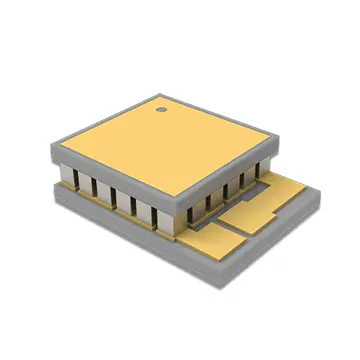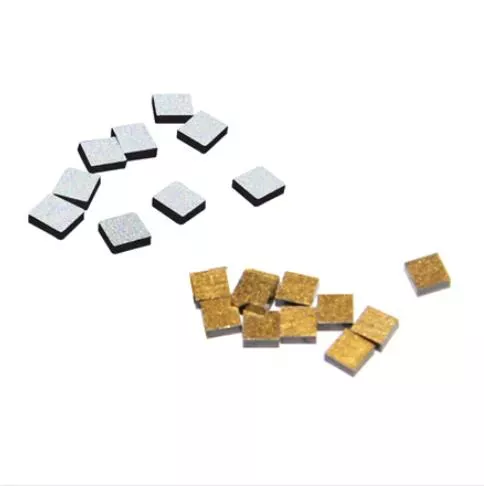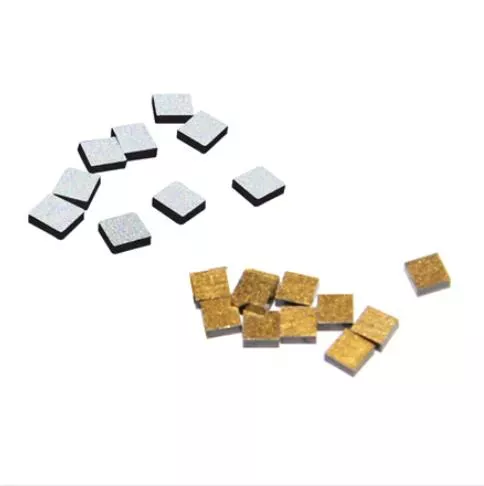
As a professional Film Package NTC supplier, Meritan adheres to a strict quality control system to ensure that every component meets industry standards. At the same time, we leverage the advantages of large-scale production to provide you with highly competitive market prices.
X-Meritan utilizes advanced manufacturing techniques to manufacture Film Package NTC. Whether you require a standard model or a custom design, our team offers competitive pricing, professional technical support, and efficient delivery. Feel free to contact us for detailed product specifications and the best possible quote. We will provide you with the highest quality service with professionalism and dedication.
1、Semiconductor thin film deposition process, novel structure, and high reliability.
2、It features a wide operating temperature range and high sensitivity, making it suitable for surface mount or embedded designs.
The device utilizes a multilayer composite structure, using transition metal oxide semiconductor materials such as manganese (Mn), nickel (Ni), and cobalt (Co) as the sensitive layer. Nanoscale functional layers are formed through magnetron sputtering or plasma-enhanced chemical vapor deposition (PECVD). This structure not only achieves excellent negative temperature coefficient (NTC) characteristics (B values up to 3950K), but its chemically inert packaging material also effectively resists acid, alkali, and organic solvent corrosion. It also passes the environmental reliability testing specified in the IEC60751 standard, ensuring long-term stability (MTBF > 100,000 hours) across a wide temperature range (-40°C to 125°C) and in harsh operating conditions, creating the components we need.
1. Industrial Temperature Monitoring
Real-time temperature monitoring of motors, transformers, and power supply equipment. Features include fast response (e.g., temperature change detection within 3 seconds) and wide temperature stability (-40°C to 125°C).
2. Medical and Consumer Electronics
In medical devices (e.g., thermometers) and consumer electronics (e.g., smartphone battery management), nanoscale functional layers and low heat capacity (1J/K) provide precise temperature sensing.
3. Automotive Electronics
Temperature sensing in the automotive sector (e.g., engine compartment and battery pack monitoring) utilizes a multi-layer composite structure (e.g., a Mn/Ni/Co oxide sensitive layer) and magnetron sputtering technology to achieve a high B value (3950K) and environmental resistance, meeting automotive-grade reliability standards (MTBF > 100,000 hours).