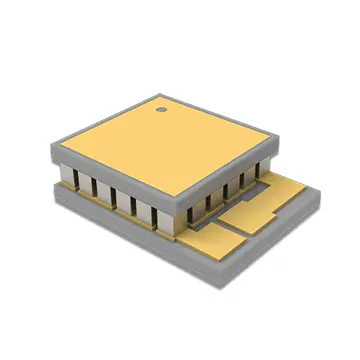
Micro Thermoelectric Coolers for Optoelectric applications have become a core enabling technology for modern optoelectronic systems that demand precise temperature control, long-term stability, and compact integration. As optoelectronic components such as laser diodes, photodetectors, and optical sensors continue to shrink in size while increasing in performance, the need for reliable micro-scale thermal management solutions is more critical than ever.
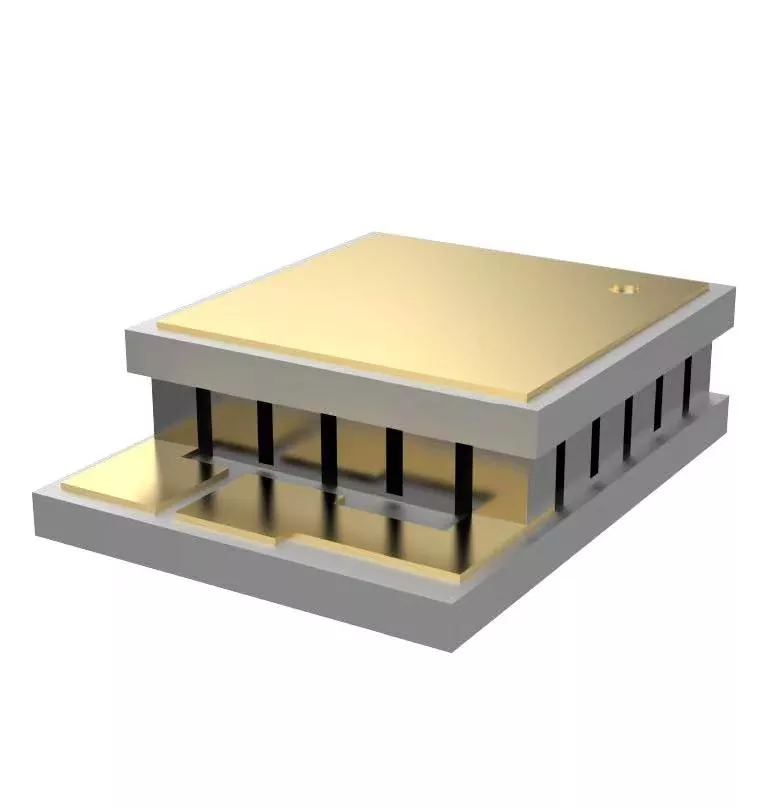
This article provides a comprehensive overview of Micro Thermoelectric Coolers for Optoelectric systems, explaining how they work, why they matter, and where they are used. It examines their advantages and disadvantages, compares them with alternative cooling methods, and highlights key application scenarios in telecommunications, medical devices, industrial sensing, and consumer electronics. Insights from industry experience, including solutions provided by Fuzhou X-Meritan Technology Co., Ltd., are included to help engineers and procurement professionals make informed decisions.
Micro Thermoelectric Coolers for Optoelectric are compact solid-state cooling devices designed to regulate the temperature of optoelectronic components with high precision. Unlike traditional cooling systems, these micro coolers use the thermoelectric effect to transfer heat without moving parts, liquids, or refrigerants.
Companies such as Fuzhou X-Meritan Technology Co., Ltd. specialize in developing customized micro thermoelectric solutions tailored to optoelectronic modules, ensuring stable optical output and extended device lifespan.
Micro thermoelectric coolers operate based on the Peltier effect. When an electrical current passes through two different semiconductor materials, heat is absorbed on one side and released on the other. This allows precise control of temperature by simply adjusting the current.
Optoelectronic components are extremely sensitive to temperature fluctuations. Even minor thermal variations can cause wavelength drift, signal noise, or efficiency loss. Micro Thermoelectric Coolers for Optoelectric applications ensure:
According to application guidelines referenced by international thermoelectric research organizations, precise thermal management is a critical factor in high-reliability optoelectronic design.
| Industry | Application | Cooling Requirement |
|---|---|---|
| Telecommunications | Laser diodes, optical transceivers | Wavelength stability |
| Medical Devices | Imaging sensors, diagnostics | High accuracy |
| Industrial Sensing | Infrared detectors | Noise reduction |
| Consumer Electronics | Optical modules | Compact integration |
Fuzhou X-Meritan Technology Co., Ltd. supports these industries by offering scalable and application-specific micro thermoelectric cooler designs.
When choosing Micro Thermoelectric Coolers for Optoelectric systems, engineers should consider:
Working with experienced manufacturers like Fuzhou X-Meritan Technology Co., Ltd. ensures optimal matching between the cooler and the optoelectronic device.
Q: What makes Micro Thermoelectric Coolers for Optoelectric different from standard TEC modules?
A: Micro thermoelectric coolers are specifically designed for compact optoelectronic systems, offering smaller footprints, tighter temperature control, and better integration with sensitive optical components.
Q: Can Micro Thermoelectric Coolers for Optoelectric improve laser diode lifespan?
A: Yes. By maintaining stable operating temperatures, these coolers reduce thermal stress, significantly extending laser diode lifespan and performance consistency.
Q: Are Micro Thermoelectric Coolers for Optoelectric suitable for continuous operation?
A: They are well-suited for continuous operation when paired with proper heat dissipation design, which is a core focus area for manufacturers such as Fuzhou X-Meritan Technology Co., Ltd.
Q: How do Micro Thermoelectric Coolers for Optoelectric affect system power consumption?
A: While they consume electrical power, their precise control often reduces overall system losses caused by thermal instability, resulting in optimized total energy usage.